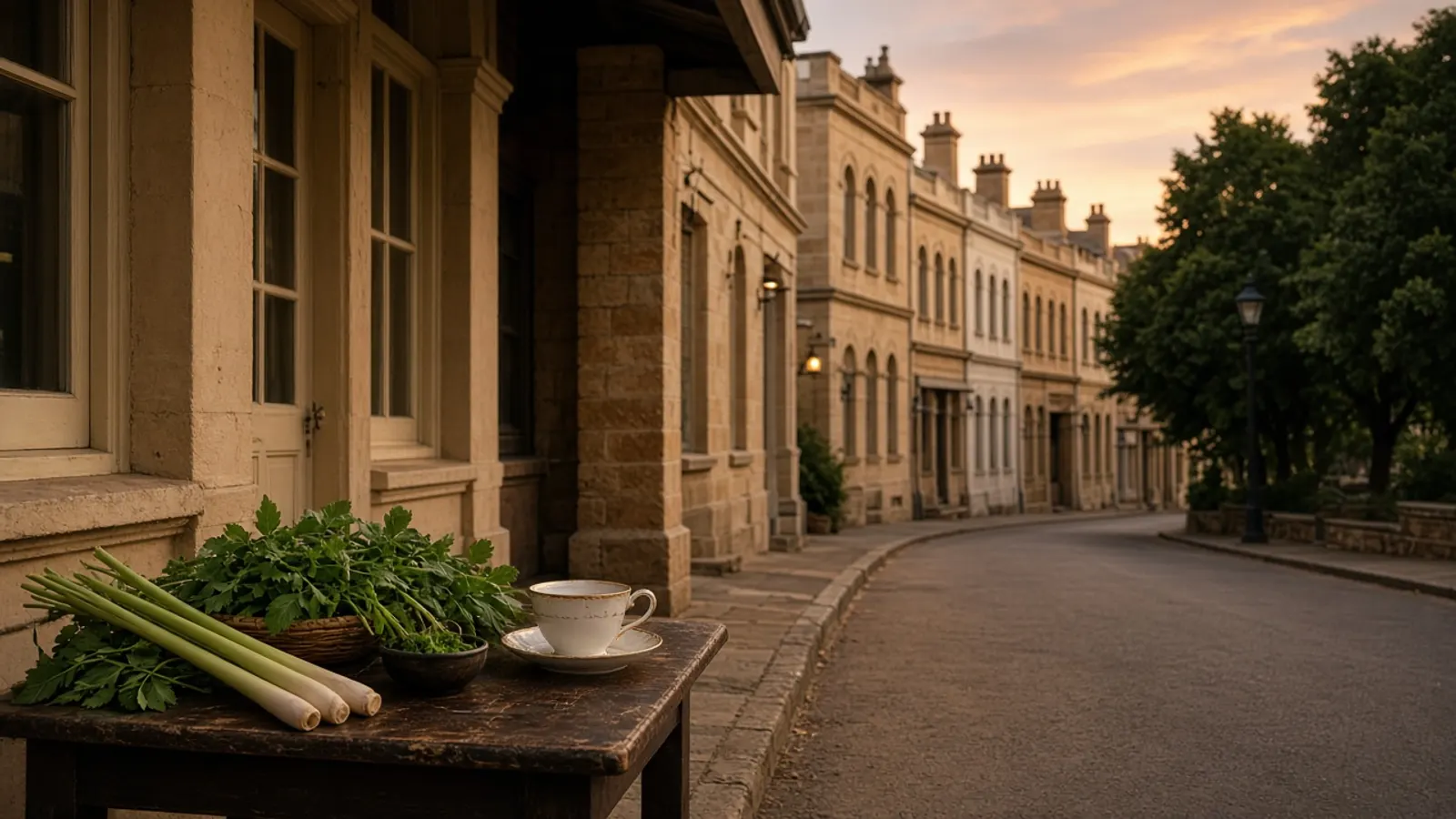
Geelong is a regional city with a waterfront, a working harbour memory, inner-suburb high streets and a pantry that does not restock like inner Melbourne. Thai cooking here feeds locals through the week and visitors on weekends. This hub is how to choose a room and a meal shape. It is not a list of operators, and it does not borrow Melbourne rankings that never applied.
The useful Geelong question is whether the kitchen will talk. Regional rooms are allowed to be quieter and to carry a shorter menu. They are not allowed to be vague about chilli, fish sauce or whether the green curry is already sweet. If you are used to Richmond density, reset your expectations toward conversation and produce, not toward a strip of twenty awnings.
Waterfront, inner streets and Pakington
The waterfront is a walk and a weather report. On a still evening it is a meeting-point. When the wind comes off the bay it is a reason to ask for a door that closes. Thai herbs and clear soups do not enjoy a gale any more than they do at NewQuay. Choose indoor seating if the southerly is up, and do not let a harbour photograph choose the kitchen for you.
Pakington Street in Geelong West is one of the city’s actual dining and shopping spines — independent grocers, cafes, and rooms that feed people who already live here. If you are looking for Thai with a local weeknight energy, walking Pakington and the inner-west streets is a more honest method than assuming the waterfront holds the whole story. Inner Geelong streets closer to the centre work the same way at a different scale: street-level rooms, parking questions, weekend waits.
The Bellarine add-on is a drive, not a suburb of Geelong. If your night includes the peninsula, decide whether the Thai meal is the Geelong piece of the day or a separate stop. Do not invent a touring circuit of named kitchens. Choose one room, sit down, and let the rest of the peninsula be the peninsula.
A regional pantry changes the menu
Geelong grocers will often have lime, chilli, coriander, jasmine rice and a coconut milk tin. They may not always have holy basil, fresh galangal, makrut lime leaves and green papaya on a Tuesday. Kitchens that care will still find those ingredients; kitchens that do not will substitute sweetly. You can taste the difference in a salad dressing that should be lime-fish-sauce-chilli-palm sugar, not vinegar and ketchup.
Shorter menus are a regional virtue. A paste, a soup, a salad, a basil stir-fry, a noodle dish and a coconut curry is a complete Thai restaurant if those things are cooked. A laminated encyclopaedia copied from a capital-city template is a warning. The Geelong tasting method asks for aroma when a lid lifts, seafood that is cooked rather than rubber, rice with separate grains, and a welcome that can explain heat.
Weekends draw Melbourne visitors. Write a booking note for a larger table; do not assume walk-up culture like Carlton. Weeknights are when you learn whether a kitchen cooks for Geelong or for a photograph. We will not invent which night is “best”. You can still notice whether herbs look alive at 8:30pm.
Family tables and mixed heat
Regional Thai often means grandparents, children and someone who wants a proper som tam on the same table. Split the heat across dishes, not across arguments. Massaman and many coconut curries can be the mild column. Salads and tom yum can be the hot column. Rice in the middle. The food guide is written for exactly this negotiation.
Seafood appears more often in people’s heads than on every menu because of the water. Order seafood where the kitchen is actually cooking fish today, not because the harbour is nearby. A dry red curry with beef or chicken, a basil mince, a vegetarian stir-fry of green beans: these are legitimate Geelong Thai orders.
Cook from a weekly shop
If you live here, you may shop for Thai ingredients once a week rather than on a whim. The Geelong recipes freeze paste in portions, keep limes working, and include a complete slow massaman-style beef with potatoes that suits a regional pot. Compare notes with Ballarat and Bendigo if you cook across central Victoria, but do not copy the recipes — each city page carries its own.
For pad Thai, green curry, tom yum and krapow in full, use the main recipes. For choosing among Ballarat and Bendigo on another weekend, open those hubs rather than treating western Victoria as one town.
Geelong Thai is allowed to taste of this city: a shorter list, a conversation about chilli, a waterfront walk if the weather agrees, and Pakington when you want the inner-west version of the same method.
Take the tasting notebook if you go out: paste aroma, seafood texture, rice, a welcome that can explain heat. Stay in with the weekly-shop massaman if the bay is up. Either way, do not wait for a ranking this guide will not print.